
Rebar Planting & Doweling in Vancouver, BC
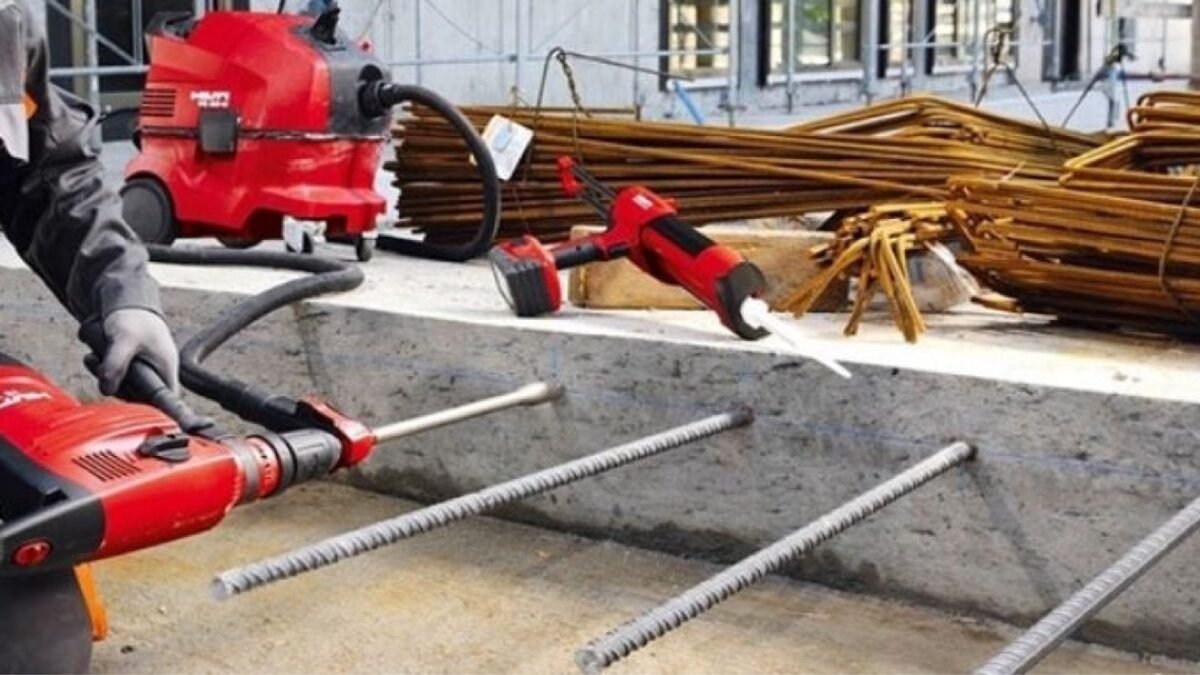
When new concrete needs to become one with existing concrete, rebar planting — also called dowel drilling — is how it’s done. We drill precise holes into the existing concrete, set steel rebar or dowels with high-strength structural epoxy, and when the new concrete is poured, the old and new sections act as a single, connected structure.
For a step-by-step walkthrough, read our rebar doweling guide.
scanXpert performs rebar planting and doweling across Greater Vancouver and all of British Columbia — for building additions, foundation extensions, slab tie-ins, and structural upgrades. Every doweling job starts with a GPR scan, so we never drill blind into existing rebar, electrical conduits, or post-tension cables.
Need to tie new concrete to existing? Call (236) 868-2111 — open 24/7 — or Get a free quote.
How Rebar Planting Works
- Layout and GPR scanning. We mark every dowel location, then scan the concrete with ground-penetrating radar to map existing rebar, conduits, and embedded objects — so the new holes never clash with what’s already inside. (See our concrete scanning service.)
- Drilling. Holes are drilled to the specified diameter and embedment depth with rotary-hammer or diamond core equipment, matched to the bar size and the engineer’s design.
- Hole cleaning. Each hole is brushed and blown clean. This step is critical — epoxy bond strength depends on dust-free holes.
- Epoxy injection. Structural epoxy is injected from the back of the hole outward, so no air gets trapped.
- Dowel insertion. Rebar or dowel bars are inserted with a slow twisting motion to the full embedment depth, and alignment is verified.
- Cure and pour. The epoxy cures per the manufacturer’s schedule. Then formwork goes up and the new concrete is poured — locked to the existing structure through the doweled steel.
Where Doweling Is Used
- Building additions and extensions tied to existing foundations
- New walls, columns, and slabs connected to old concrete
- Slab extensions and thickenings
- Seismic and structural upgrades
- Equipment pads and machinery foundations
- Stairs, landings, and retaining walls tied into existing structures
If you’re cutting openings or removing sections as part of the same project, see our concrete cutting and concrete coring services — one contractor for the cutting and the tie-in.
Why We Scan Before We Drill
Drilling into existing concrete without knowing what’s inside risks cutting existing rebar, severing electrical conduits, or striking post-tension cables — any of which can compromise the structure and stall the project. Our GPR concrete scanning maps everything embedded in the slab or wall before a single hole is drilled. It’s the same scan-first discipline we bring to coring and cutting, applied to doweling.
Rebar Planting Across Greater Vancouver, BC
We provide rebar planting and doweling in Vancouver, Burnaby, Surrey, Richmond, Coquitlam, North Vancouver, West Vancouver, and throughout British Columbia — 24 hours a day, 7 days a week, for contractors, engineers, and property owners.
Call (236) 868-2111 for a free quote, or request a quote online.
Frequently Asked Questions
How strong is epoxy-set rebar doweling?
When installed correctly — right hole diameter, properly cleaned holes, structural epoxy, and full cure — epoxy-anchored dowels develop strength comparable to cast-in-place rebar. The key is installation discipline: layout, drilling, cleaning, injection, and cure, all done to spec.
How deep do dowel holes need to be?
Embedment depth depends on the bar diameter, the epoxy manufacturer’s specifications, and the engineer’s design — typically a multiple of the bar diameter. We drill every hole to the specified depth and verify it.
Can you dowel into old or existing concrete?
Yes — that’s exactly what doweling is for. As long as the existing concrete is sound, we can drill, epoxy-set dowels, and tie the new pour to it. We GPR-scan first to check what’s inside the existing concrete before drilling.
How long does the epoxy take to cure?
It varies by product and temperature — from under an hour to 24 hours for full cure. We follow the manufacturer’s cure schedule and never load or pour against dowels before they’re ready.
Do you scan the concrete before drilling dowel holes?
Yes. Every doweling job starts with GPR scanning to locate existing rebar, conduits, and post-tension cables, so the new holes are placed safely. Scanning and doweling from one contractor keeps the job on schedule.