Concrete Grinding Cost in Vancouver: What Affects the Price
October 3, 2026
Concrete Demolition Cost in Vancouver: What Affects the Price
October 3, 2026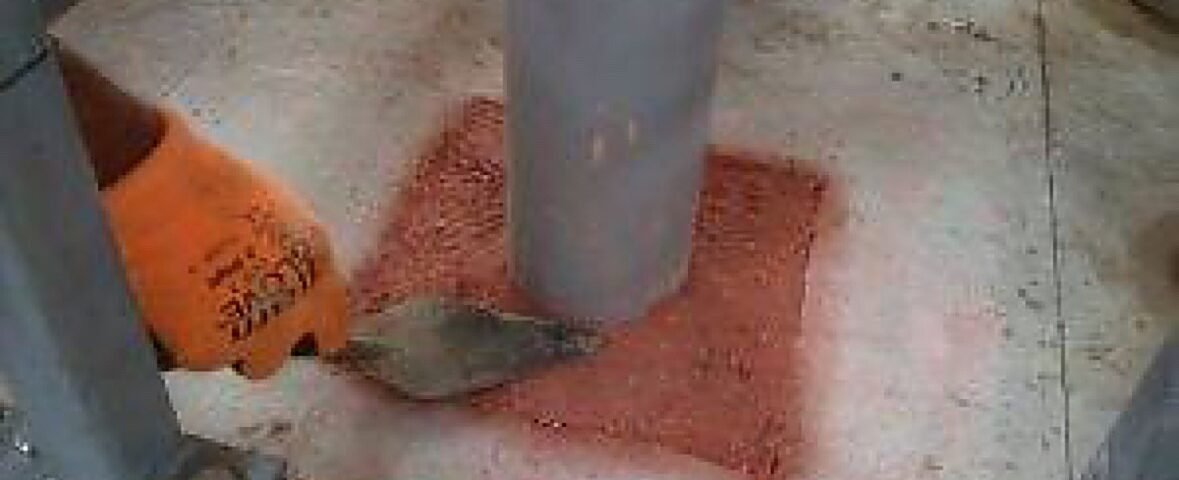
If you’re a general contractor, plumber, electrician, or building owner in Greater Vancouver, you’ve probably asked: how much does fire stopping cost? It’s one of those line items that’s easy to underestimate — until the inspector flags unsealed penetrations and the occupancy permit is on hold. This guide explains what drives fire stopping costs in the Vancouver area so you can budget accurately and avoid surprises.
What fire stopping actually involves
Fire stopping (firestopping) is the sealing of openings and joints in fire-rated walls and floors — typically where pipes, cables, and ducts pass through. After the mechanical and electrical trades run their services, the annular space around each penetration must be filled with listed firestop materials (caulks, pillows, collars, wraps) to strict standards, so fire and smoke cannot travel from one floor to another or from one suite to the adjacent one. In BC, it’s a building code requirement, not an optional extra.
What affects fire stopping cost in Vancouver
- Number of penetrations. Firestop work is usually priced per penetration or per linear foot of joint. A mechanical room with 200 pipe penetrations costs very differently from a single-family home with a dozen. Count them early — it’s the single biggest cost driver.
- Type and size of penetrations. A 2-inch plastic pipe through a concrete wall needs a different (and differently priced) firestop system than a bundle of cables or a large duct. Plastic pipes that melt in a fire need intumescent collars or wraps, which cost more than a simple caulk bead around a metal pipe.
- Floor vs. wall. Sealing penetrations in floors (especially from below, on ladders or lifts) is slower than walls at standing height. Ceiling and shaft work typically prices higher.
- Fire rating required. A 1-hour rated assembly needs a different system than a 2-hour assembly. Higher ratings mean more material, deeper seals, and sometimes multiple products per penetration.
- New construction vs. retrofit. On new builds, the firestop contractor works in sequence with the trades — efficient and predictable. Retrofits in occupied buildings mean containment, off-hours work, and hunting down hidden penetrations, all of which add cost.
- Documentation and certification. Many commercial projects require firestop submittals, labeled systems, and as-built documentation for the authority having jurisdiction. Proper paperwork takes time — and it’s exactly what gets your occupancy permit signed off.
- Who cores the holes. When one contractor both cores the openings and firestops them afterward, you eliminate coordination gaps and double mobilization. (This is exactly how scanXpert works: we core it, we seal it.)
Typical cost picture in Greater Vancouver
Because every building is different, reputable firestop contractors quote per project — usually after reviewing drawings or walking the site. Be cautious of flat per-penetration prices given without asking about pipe materials, ratings, and access: a “cheap per-hole” quote that ignores system requirements is how projects end up ripped out and redone at inspection time.
How to get an accurate quote
Send your drawings (or a penetration count by type and size), the required fire ratings, and the project schedule. Photos of a representative sample of penetrations help enormously. A good firestop contractor will ask about all of these before quoting — if they don’t, keep looking.
At scanXpert, we provide free estimates across Greater Vancouver and all of BC. We drill and core the openings, then seal every penetration to code with listed firestop systems — one contractor, one point of responsibility. Call (236) 868-2111 for a free quote.
Frequently asked questions
How much does fire stopping cost in Vancouver?
It depends on the number of penetrations, pipe/cable types, required fire ratings, and access. Projects are quoted per job after reviewing drawings or a site walk. Call (236) 868-2111 for a free estimate.
Is fire stopping required by code in BC?
Yes. The BC Building Code requires penetrations and joints in fire separations to be sealed with listed firestop systems to maintain the assembly’s fire rating. Inspectors check this before occupancy.
Who is responsible for fire stopping — the plumber or a specialist?
The firestop work itself should be done by a contractor experienced with listed systems and documentation — often the same contractor who cored the openings. At scanXpert we do both: we core it, we seal it.
What happens if penetrations aren’t firestopped?
Failed inspections, delayed occupancy permits, and — most importantly — a building where fire and smoke can move freely between floors and suites. It’s a life-safety issue, not just a code checkbox.
Do you provide documentation for inspections?
Yes. We document the systems used at each penetration type so you have what the inspector and the authority having jurisdiction need for sign-off.